
listening

Learning to Listen

Learning to Listen

When I was in grad school, I had a teacher who taught a class called “Counseling Skills” or something to that effect. I kind of rolled my eyes when I realized I had to take that class, because I had the arrogance to believe I knew how to listen, how to care, and how to communicate compassion already and didn’t need a class to help me. The lesson in humility, though, was not given through the class material itself, but by the professor. This man walked in to talk to a bunch of new students who were all prospective counselors, and approached with such gentleness it stopped me in my illusions of grandeur and made me pay attention.

In thinking back to this kind man, I realize that he taught me how to listen because he actually listened in class. Sure, he taught the lessons, but then he would calmly entertain questions and treat each student with such value and worth that you instantly felt like you mattered—even if your question was really stupid. He never looked like he was trying to come up with an answer while listening, but would take the question with a minute of consideration so he could truly take in everything the person was saying.

I came to find out throughout the semester that this man was dying of cancer. He didn’t tell us, but once in a while when he would have to miss class, the substitute informed us that he would be doing that occasionally when he didn’t feel he could have enough strength to teach. And yet, there was never a demand for respect or honor, but a continued communication of his students’ value as he approached with gentleness. I watched him deteriorate throughout the semester, and attended his funeral the next year after he went to be with Jesus face-to-face. I remember thinking how it must feel for him to be present with the One his soul loved so much, and who had always listened to him.

The Wilderness

The Wilderness

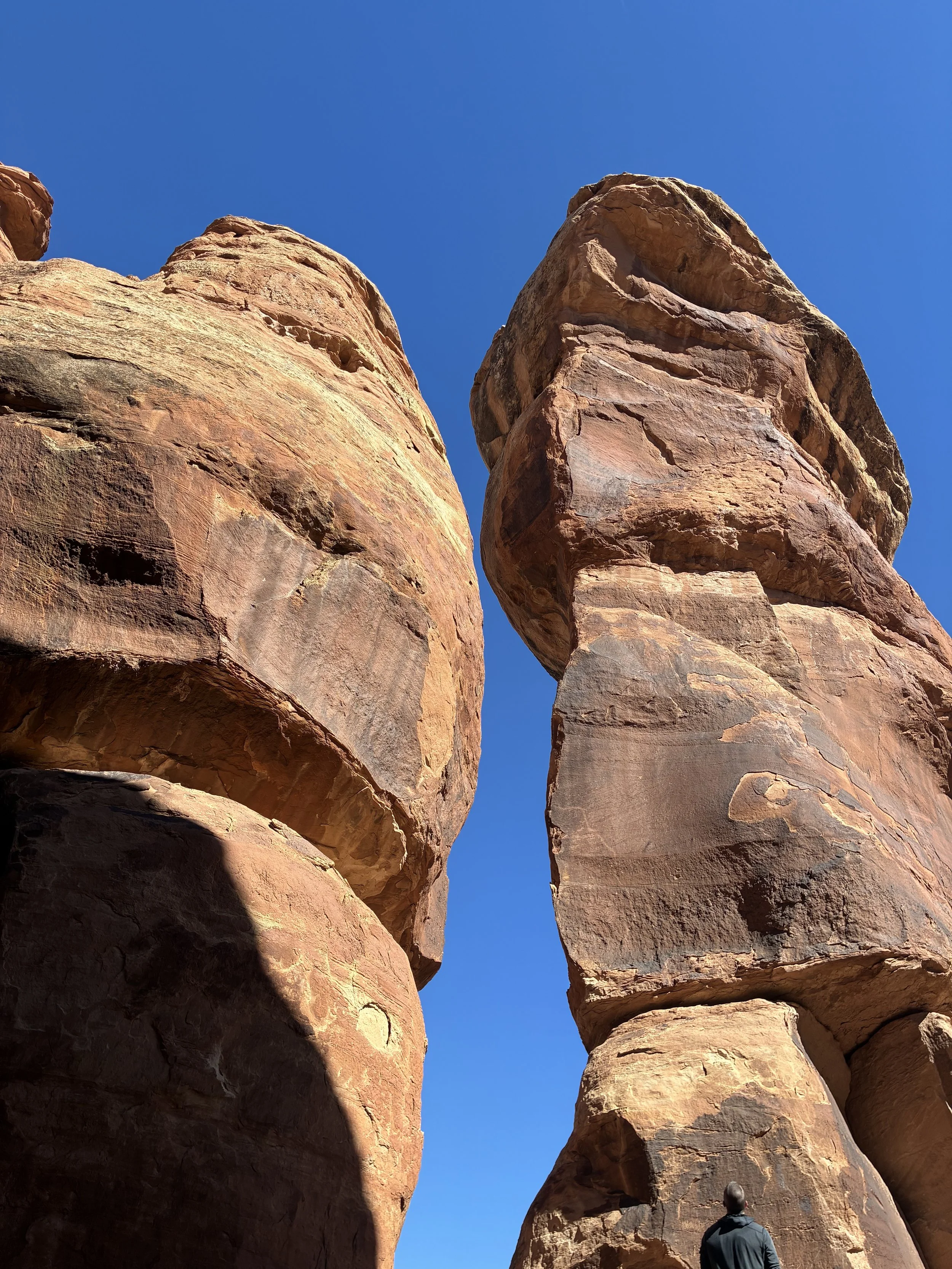
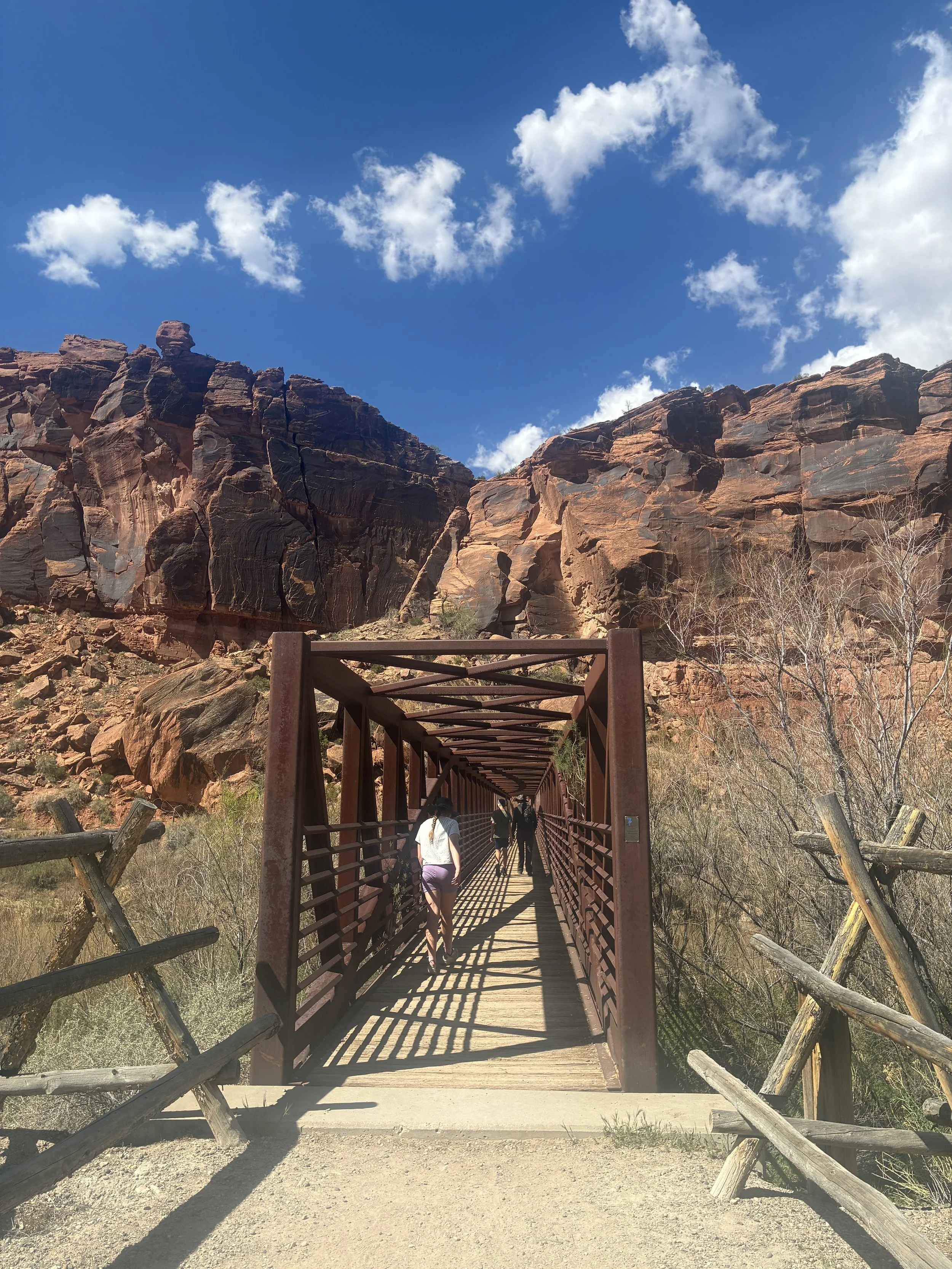
Several years ago, my husband and I were camping in Moab, Utah with our one-year-old son. Camping is probably a generous term—we did have a pop-up camper and weren’t really roughing it. We did, however, drive about half an hour outside of town on a dirt road to the middle of nowhere, and then parked the camper at the top of a rocky hill. The views were spectacular, and we would only see another car on the dirt road about once every few hours. It was a little taste of the wilderness, with only us and our little camper. No cell service, no toilets, and no other people around.

This seemed like a fantastic experience until we decided the next day to head back into town to get a few groceries. After piling in the truck, my husband tried to start the vehicle, but it wouldn’t start. The truck’s battery was dead. And the wilderness experience that seemed like a lot of fun became quite scary.

I started to panic, wondering how we would ever get out of there. No cars came by on the road, and it was at least a day’s walk to get back into town with a one-year-old and only so much food for camping. Finally after a bit of worry, my husband brilliantly figured out that he could use the camper batteries to jump the truck battery, and we were finally moving again.

But what about the figurative wildernesses in which we find ourselves where we can’t figure a way out, and we sit and wait with no resources and no hope? Wildernesses are a real experience in life, and one which often catches us by surprise. I’m not sure why, as so many of the people in the Bible went through years and years of wilderness, sometimes figurative and sometimes quite literal. There are stories of prison, hardships, desert-living, wandering, frustration, hopelessness, disbursement and aching for home.